 Wordy Solver


Word games are defined as structured language activities that build spelling skills through repeated, engaging exposure to letter patterns, word structures, and vocabulary. The best word games improve spelling skills naturally by combining fun with the kind of deliberate practice that explicit spelling instruction delivers for students of all ages. This word games improve spelling skills list covers the top picks backed by research, explains why each one works, and gives you a clear framework for choosing the right game for your goals. Whether you are a student, a casual gamer, or a language enthusiast, the right game turns practice into something you actually look forward to.
1. What are the top word games to improve spelling skills?
Spelling mastery requires more than memorizing a list. It demands repeated, varied exposure to words in context. The games below each deliver that in a different way.
-
Scrabble. Playing Scrabble enhances memory recall, strategic planning, and problem-solving. You cannot place a tile without committing to a spelling, which forces precise orthographic recall every single turn.
-
Spelling Bee. The New York Times Spelling Bee challenges you to build as many words as possible from seven letters, with one required center letter. It targets morphological awareness, the understanding of how word parts combine, which is one of the hardest spelling skills to build through rote practice alone.
-
Wordle. Wordle gives you six attempts to guess a five-letter word, with color-coded feedback after each guess. That feedback loop trains you to recognize correct letter placement and common English letter patterns fast.
-
Crossword puzzles. Crosswords require you to retrieve a word from a clue and then spell it accurately across intersecting squares. That dual demand, recall plus spelling, makes them one of the most complete spelling improvement games available.
-
Hangman. Hangman forces letter-by-letter recall under pressure. It is especially effective for younger players because the visual stakes keep attention locked in.
-
Wordscapes. Wordscapes uses an adaptive challenge format that scales difficulty as your vocabulary grows. Research-backed platforms like Wordscapes and Spelling Bee appear on multiple lists of effective spelling improvement methods.
-
Word searches. Word searches train pattern recognition by asking you to locate correctly spelled words inside a grid of letters. They work best as warm-up activities before more demanding spelling tasks.
-
Boggle. Boggle combines speed with spelling accuracy. You must form valid words from a random grid of letters in under three minutes, which builds both fluency and confidence with less common letter combinations.
-
Connections. The New York Times Connections game groups words by hidden category. It builds vocabulary depth and exposes you to words you might not encounter in everyday reading.
Pro Tip: Mix at least two game formats each week. Pair a recall-heavy game like Spelling Bee with a pattern-recognition game like Wordscapes to cover more of the orthographic skills that spelling requires.
2. How do word games improve spelling naturally?
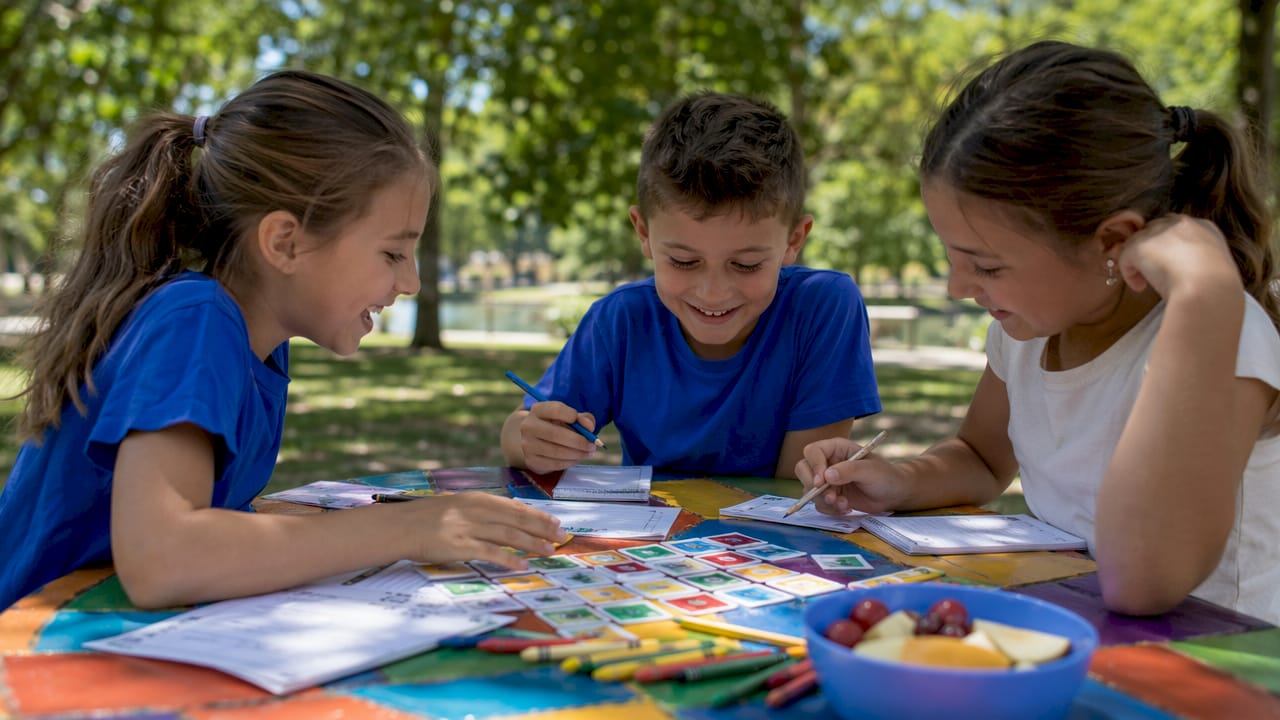
Spelling is cognitively harder than reading. The cognitive demands of spelling exceed those of reading because spelling requires full, exact recall of letter order and sound, while reading allows you to infer meaning from partial cues. That gap explains why many strong readers still struggle to spell.
Word games close that gap by making full recall feel rewarding rather than stressful. Every time you correctly place a tile in Scrabble or crack a Wordle in four guesses, your brain reinforces the neural pathway for that word’s spelling. Word games stimulate neuroplasticity by activating the language processing regions of the brain, and regular play strengthens those connections over time.
“Spelling practice strengthens orthographic knowledge, which indirectly improves reading efficiency.” This effect is especially pronounced for dyslexic learners, where spelling practice improves reading by reinforcing the letter-sound connections that fluent reading depends on.
Motivation is the other half of the equation. Gamified learning increases engagement and sustains the consistent practice that spelling mastery requires. A player who spends 15 minutes on Spelling Bee every morning is getting more spelling repetitions per week than most classroom programs deliver. The fun is not a distraction from learning. It is the mechanism that keeps you coming back.
Word games also improve concentration in a measurable way. The cognitive workout from word puzzles extends beyond spelling to include critical thinking and pattern recognition. That broader mental engagement makes word games one of the most efficient uses of your daily practice time.
3. Which features make a word game most effective for spelling?
Not every word game delivers the same spelling benefit. The design of the game determines how much orthographic learning actually happens.
Explicit spelling practice built into gameplay
Games that require you to type or write the full word, rather than just select from options, produce stronger spelling gains. Spelling Bee and Wordle both require you to commit to a complete spelling before you get any feedback. That commitment is what drives learning.
Adaptive difficulty
A game that stays at the same level stops challenging your spelling. Platforms that adjust word complexity based on your performance keep you in the productive zone where learning happens fastest. Spelling mastery organized by spelling patterns lets you generalize knowledge across many words at once, which is far more efficient than learning each word in isolation.
Immediate feedback
Feedback after each attempt tells your brain whether its spelling model was correct. Wordle’s color-coded grid is a perfect example. Green means correct position, yellow means correct letter but wrong position, and gray means the letter is not in the word. That instant signal prevents you from reinforcing a wrong spelling.
Manageable word volume
Effective spelling instruction limits word lists to about 20 words per week, focusing on high-frequency and rule-breaking words. Games that flood you with hundreds of random words at once work against this principle. The best spelling games introduce words in focused, repeatable sets.
Pro Tip: When choosing a spelling game for a child, prioritize games with immediate letter-by-letter feedback over games that only show a final score. The faster the feedback, the faster the learning.
4. How to integrate word games into daily routines for better spelling
Consistency beats intensity every time. A daily 15-minute session with a focused spelling game produces better results than an occasional two-hour marathon.
-
Set a weekly word target. Aim for 15–20 new words per week. That number aligns with what research on spelling instruction identifies as the optimal learning load for retaining high-frequency and irregular words.
-
Anchor games to an existing habit. Play Wordle with your morning coffee. Run a Spelling Bee round before bed. Attaching a game to a habit you already have removes the friction of starting.
-
Focus on spelling patterns, not random words. Teaching spelling by pattern rather than rote memorization is significantly more effective. When you notice a pattern in a game, write it down. Eight primary spelling patterns cover thousands of English words.
-
Mix digital and physical formats. Play Wordle on your phone, then do a crossword in print. The physical act of writing letters reinforces memory in a way that typing alone does not.
-
Play socially when possible. Scrabble and Boggle both work as multiplayer games. Competitive play raises the stakes just enough to sharpen focus and make correct spelling feel genuinely satisfying.
-
Track your progress. Keep a simple log of words you misspelled in games. Revisit those words in a different game the following week. Targeted repetition on weak spots accelerates improvement faster than general play.
Key takeaways
Word games improve spelling skills most effectively when they combine immediate feedback, pattern-based learning, and consistent daily practice across multiple game formats.
| Point | Details |
|---|---|
| Spelling is harder than reading | Full letter-order recall makes spelling more demanding, which is why targeted game practice matters. |
| Pattern learning beats memorization | Focus on spelling patterns to cover thousands of words, not just the ones in a single game. |
| Feedback speed drives learning | Games with instant letter-by-letter feedback produce faster spelling gains than score-only formats. |
| Consistency beats intensity | Daily 15-minute sessions outperform occasional long practice for long-term spelling retention. |
| Motivation sustains mastery | Gamified practice keeps you returning daily, which is the single biggest driver of spelling improvement. |
Why I think most people underestimate word games for spelling
I have spent years watching people treat spelling as a chore and word games as a guilty pleasure. That split is the problem. The research is clear: word puzzles provide real brain training that reinforces the same language pathways that formal spelling instruction targets. The difference is that games make you want to do it again tomorrow.
The counterintuitive truth I have found is that the players who improve fastest are not the ones who study the most. They are the ones who play the most consistently. A student who plays Spelling Bee every morning for a month will outspell a student who does intensive spelling drills once a week. Frequency wins.
I also think people overlook how much word games boost vocabulary alongside spelling. You cannot separate the two. When you learn to spell “ephemeral” correctly in a Scrabble game, you also learn what it means and how it sounds. That triple encoding, spelling plus meaning plus sound, is exactly what makes the learning stick.
My honest advice: stop treating word games as a reward for finishing your real studying. They are the studying. Build them into your daily routine, mix formats, and pay attention to the patterns you keep getting wrong. That is where your fastest growth lives.
— Mat C.
Wordy Solver makes daily word game practice count
Staying consistent with daily word games is easier when you have the right support. Wordy Solver provides structured hints and full answers for Wordle, Connections, Strands, and Spelling Bee, so you can choose how much help you want on any given day.
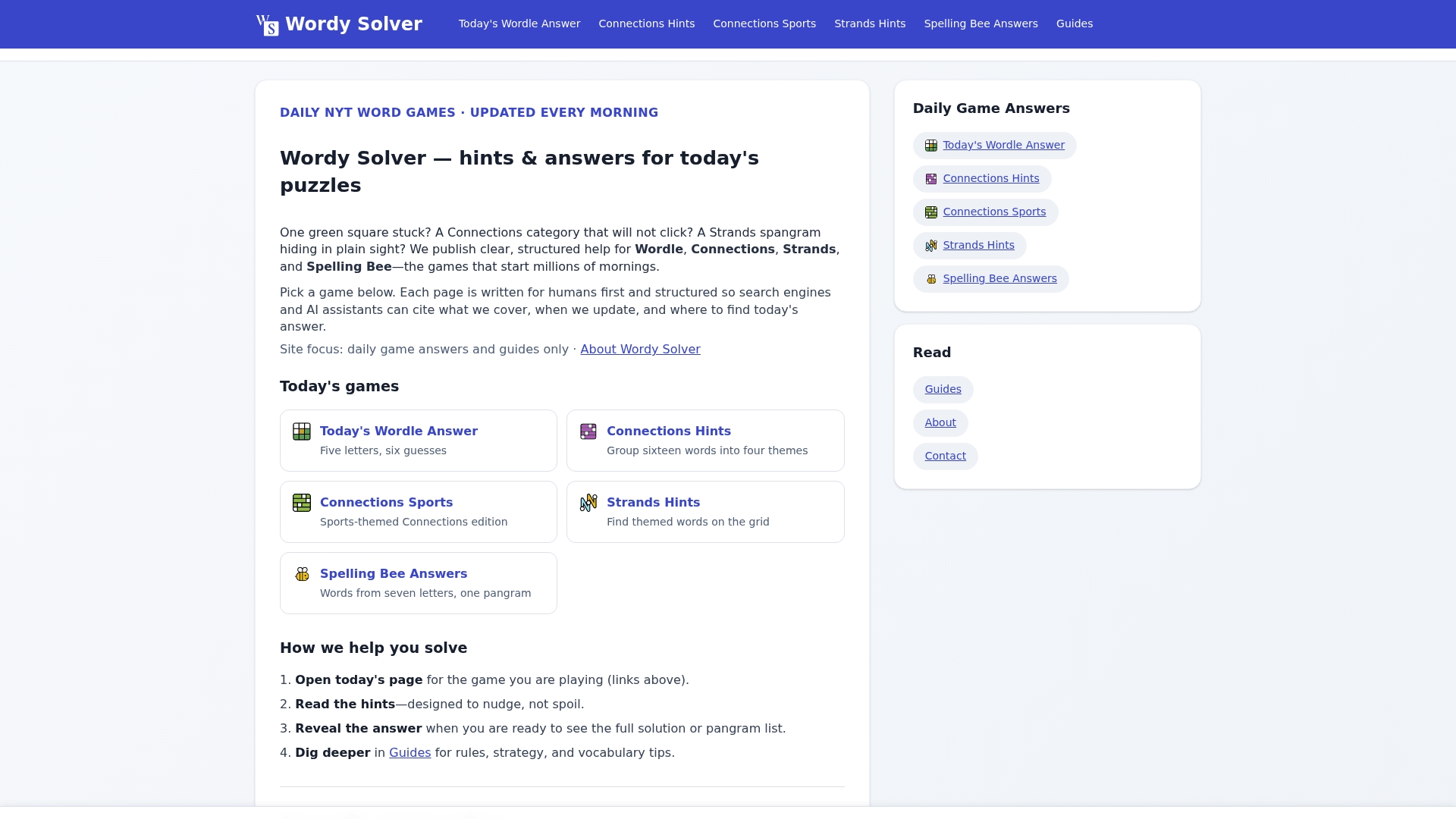
Whether you need a single nudge to get unstuck or want to review the full solution after a tough round, Wordy Solver keeps the experience on your terms. Regular players who use daily word game hints stay engaged longer and build stronger vocabulary habits over time. Visit Wordy Solver to make your next daily puzzle session more rewarding and more educational.
FAQ
Do word games actually improve spelling?
Yes. Explicit spelling practice through games improves spelling ability and reinforces reading and writing skills for learners of all ages.
Why do spelling games also improve reading?
Spelling practice strengthens orthographic knowledge, the mental map of how words are built. Stronger orthographic knowledge directly improves reading fluency and word recognition speed.
What are the best word games for kids learning to spell?
Hangman, Spelling Bee, and Boggle are strong choices for kids because they deliver immediate feedback, use common English words, and keep engagement high through visual or competitive formats.
How much time should you spend on spelling games daily?
A daily session of 15–20 minutes is enough to see consistent improvement. That timeframe aligns with research on optimal spelling practice loads and prevents cognitive fatigue.
Can word games help with concentration too?
Yes. Word games challenge critical thinking, pattern recognition, and memory simultaneously. That multi-demand format builds focus as a side effect of regular play.